Is an AI Assistant a Genuine Solution for Teacher Wellbeing?
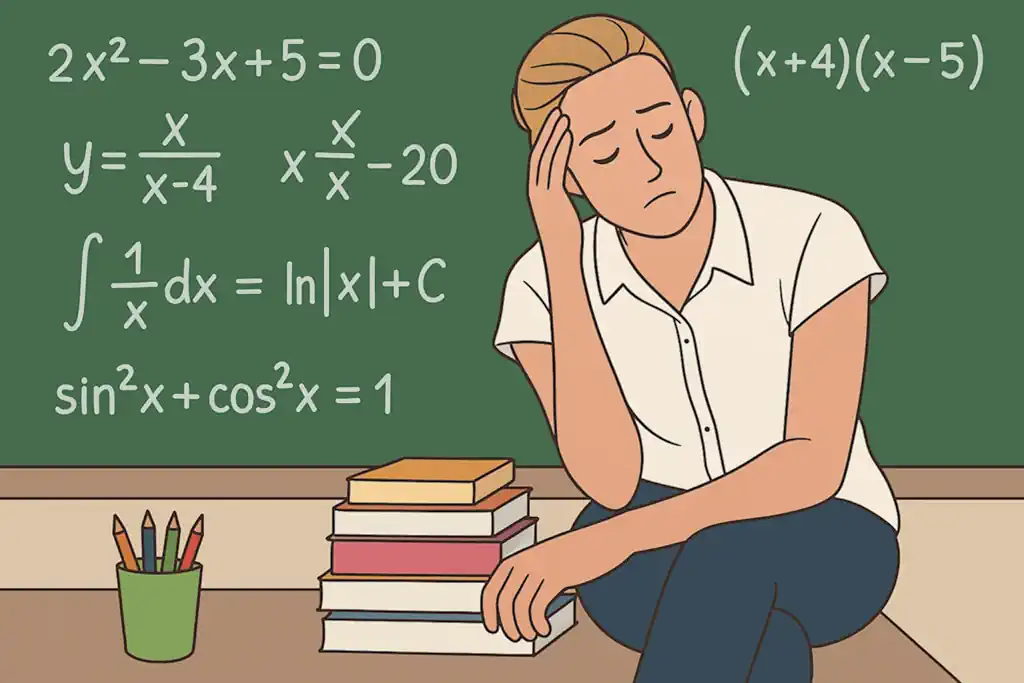
The conversation around Artificial Intelligence in UK schools is often filled with a mix of excitement and anxiety. But beyond the hype, what is the real, practical role for AI in the modern classroom? For us, the answer isn't about replacing teachers; it's about solving the single biggest crisis they face: unsustainable workload. The evidence is clear: the 2023 Teacher Wellbeing Index found that 78% of UK education staff experience mental health symptoms due to their work, with workload being the primary driver (1). This is not sustainable. We believe ethical, teacher-led AI is the key to changing this.
A National Priority: The Education Staff Wellbeing Charter
The scale of the workload problem is so significant that the UK government has established the Education Staff Wellbeing Charter, a formal declaration of intent to improve the mental and physical health of educators. The charter explicitly recognizes that stress is often "caused by excessive workload (especially hours worked) and lack of recovery time."(2) This direct impact on teacher health is why finding a sustainable solution is a national priority. We believe that ethical, teacher-led AI is the most powerful tool we have to meet the charter's goals.
How AI Can Directly Reduce Workload
The most immediate benefit of AI is its ability to handle the repetitive, time-consuming tasks that the government and educators agree are at the heart of the wellbeing crisis.
- Automated Assessment: Imagine marking an entire class set of essays or short-answer questions in minutes, not hours. AI can analyse student work against a rubric, providing a consistent first draft of grades and feedback, freeing up the teacher for final, expert review. This directly reduces the "hours worked" that the charter highlights.
- Resource Generation: AI can act as a tireless assistant, helping to draft differentiated lesson plans, create sets of tailored questions, or even generate presentation slides, turning hours of prep time into a focused, creative session.
Deeper Feedback Without the Burnout
One of the great ironies of teaching is that the more detailed the feedback, the less time you have to give it. This pressure contributes to burnout. AI can help bridge this gap.
- Consistency at Scale: AI can apply a marking rubric with perfect consistency across 30 students, ensuring every learner is assessed by the same standard.
- Targeted Comments: Instead of generic comments, AI can generate specific, rubric-based feedback for each student, highlighting their strengths and pinpointing exact areas for improvement—a task that is incredibly time-consuming to do manually.
Conclusion
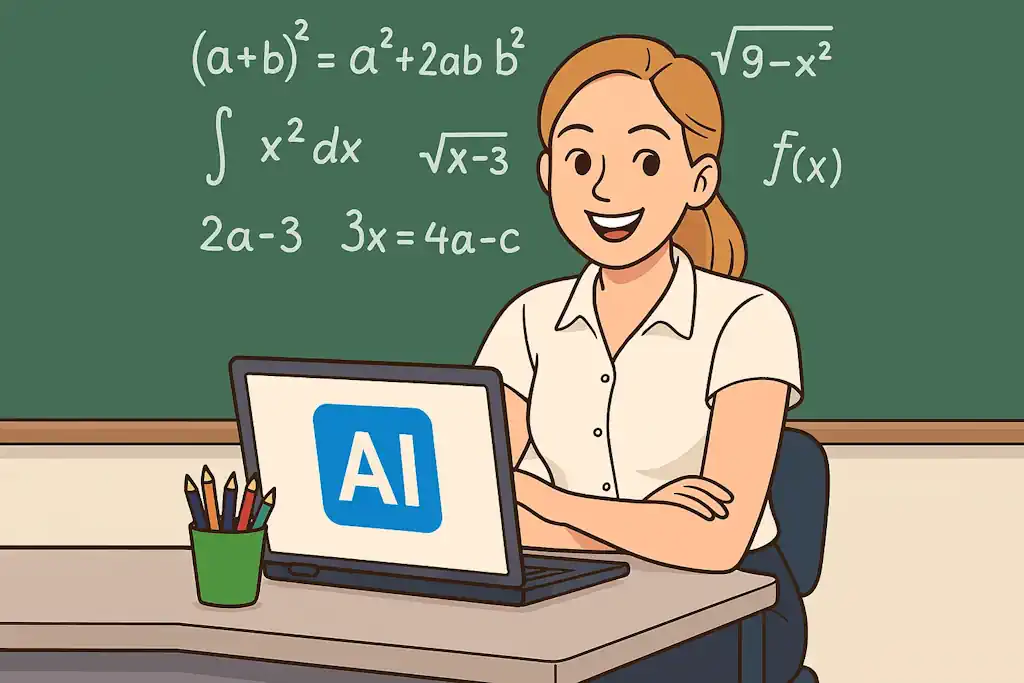
AI is not a magic bullet, but it is a practical and powerful response to the challenges outlined in the Education Staff Wellbeing Charter. When designed ethically and kept under the firm control of the professional teacher, it can handle the tasks that lead to burnout, freeing educators to do the irreplaceable, human-led work that inspires the next generation and, crucially, allowing them to reclaim their own wellbeing.
← Back to Blog